In the maritime industry, vessel safety, operational efficiency and long-term performance depend heavily on regular maintenance and professional repair services. Ship Dry Docking is one of the most important processes for inspecting, maintaining and repairing a vessel, particularly those parts of the ship that remain underwater during normal operations.
During a dry docking operation, a vessel is safely positioned inside a dry dock, allowing engineers and technicians to access the hull, propeller, rudder, sea valves and other underwater components. This creates an essential opportunity to identify potential problems, carry out planned maintenance and complete repairs before they become serious operational issues.
For shipowners, operators and technical managers, choosing the right shipyard service and ensuring efficient dry docking coordination can significantly reduce downtime while improving vessel reliability and safety.
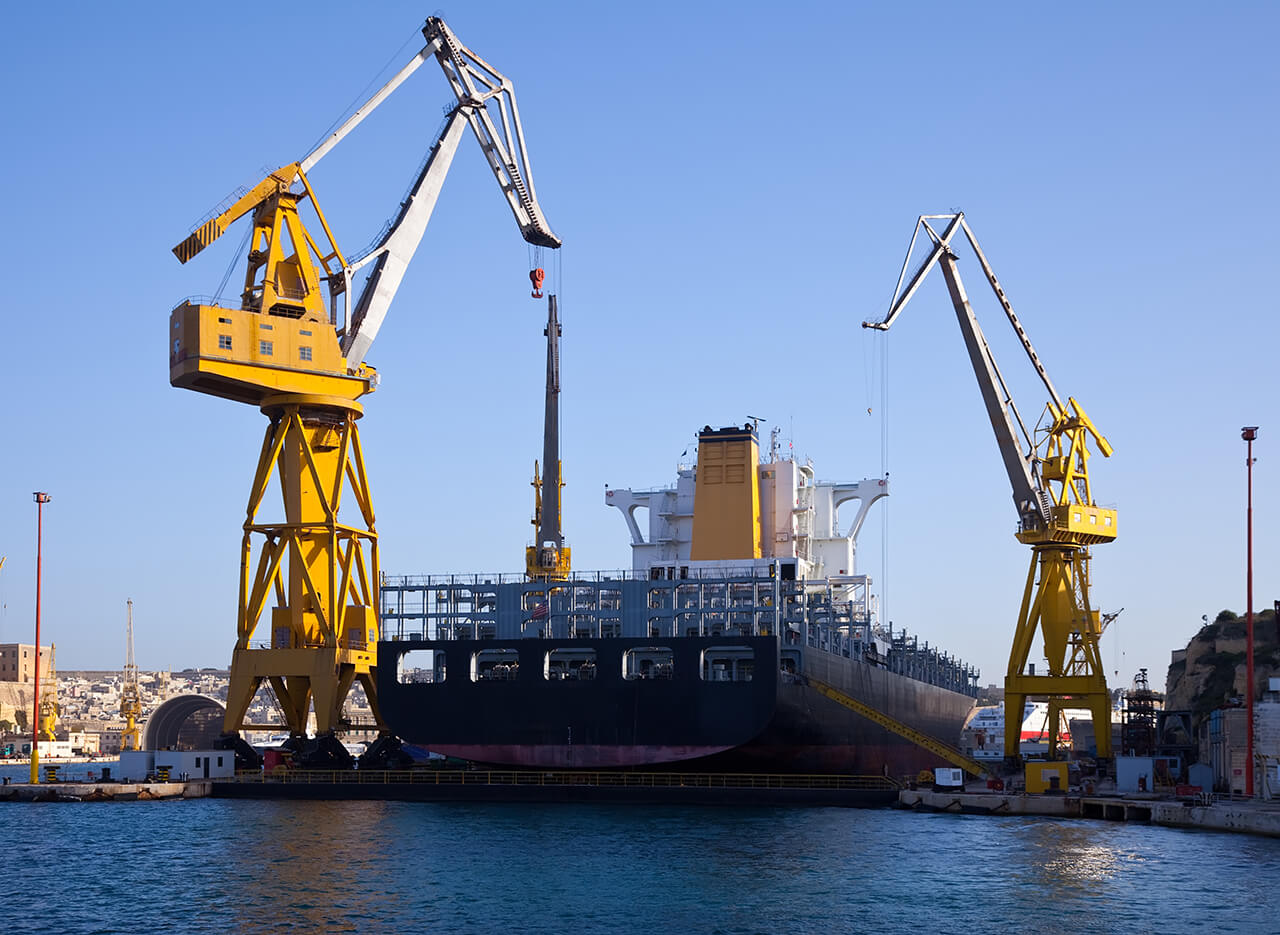
Ship Dry Docking is a planned maintenance process in which a vessel is taken out of the water and placed inside a dry dock. After the dock is secured, the water is removed, exposing the underwater areas of the vessel for detailed inspection, maintenance and repair.
Unlike routine maintenance performed while a vessel is afloat, dry docking provides direct access to critical components that cannot normally be inspected properly at sea.
These components may include:
Dry docking is therefore not simply a repair operation. It is a comprehensive maintenance period that can help improve vessel safety, reliability and operational performance.
A vessel operates in one of the most demanding environments in the world. Continuous exposure to seawater, corrosion, vibration, weather conditions and heavy operational loads can gradually affect both the structure and machinery of a ship.
Regular Ship Dry Docking allows shipowners and operators to detect problems at an early stage.
One of the major advantages is the ability to inspect the underwater hull directly. Corrosion, coating deterioration, deformation and other structural problems can be examined much more effectively when the vessel is out of the water.
Dry docking also provides an opportunity to inspect and maintain propulsion and steering systems. Since these systems are directly related to vessel manoeuvrability and operational safety, proper maintenance is essential.
Another important benefit is the possibility of completing several maintenance activities during the same shipyard period. Combining planned repairs, inspections and upgrades can reduce the need for additional downtime in the future.
Effective vessel maintenance requires careful planning. A successful dry docking project normally begins well before the vessel arrives at the shipyard.
The maintenance team, shipowner, technical manager and shipyard need to establish the required scope of work. Previous inspection reports, class requirements, vessel condition and planned maintenance schedules should be reviewed before the docking period.
Depending on the vessel’s condition and operational requirements, the scope may include hull inspection, steel renewal, painting, mechanical repairs, electrical maintenance, machinery overhaul and deck equipment repairs.
INTSHIP provides technical repair and maintenance support that includes shipyard service, dry-docking service, engine full overhaul, auxiliary equipment repairs, electrical services, steel renewal and hatch cover repair and testing.
This integrated approach allows different technical requirements to be coordinated during the same shipyard period.
Every vessel has different maintenance requirements. Therefore, the scope of a dry docking project should be prepared according to the vessel’s age, type, operational history and technical condition.
The hull is one of the most important areas inspected during dry docking. Corrosion, cracks, deformation and damaged steel sections can be identified more easily when the underwater hull is accessible.
Where necessary, steel renewal and structural repairs can be performed to maintain the integrity of the vessel.
Marine growth and corrosion can negatively affect hull performance. During dry docking, the hull can be cleaned and prepared before coating or painting operations.
Proper surface preparation and coating application can provide additional protection against corrosion and help maintain the vessel’s underwater performance.
The propeller and rudder are critical components of a vessel’s propulsion and manoeuvring systems.
Dry docking provides an opportunity to inspect these components for damage, wear, deformation and other potential problems. Necessary repair or maintenance work can then be completed before the vessel returns to service.
Dry docking is also an important period for planned machinery maintenance. Depending on the vessel’s requirements, engine components, pumps, auxiliary machinery and other technical systems may require inspection or overhaul.
INTSHIP’s technical maintenance services include engine full overhaul and fuel pump, injector and governor services, together with auxiliary equipment repair.
Modern vessels rely heavily on electrical and electronic equipment. Faulty systems can cause operational interruptions and may create serious safety concerns.
During a shipyard period, electrical systems and marine electronic equipment can be inspected, repaired or maintained as required.
Hatch covers play a critical role in protecting cargo spaces. Their condition can directly affect cargo safety and vessel operations.
Dry docking and shipyard periods can provide an opportunity for hatch cover inspection, testing, maintenance and repair.
A successful Ship Dry Docking project requires coordination between multiple parties. Shipowners, ship managers, shipyards, technical teams, classification societies, suppliers and service providers may all be involved.
The process generally starts with planning and defining the required work scope.
The next step is selecting a suitable shipyard and preparing the docking schedule. Spare parts, technical personnel and required equipment should be arranged before the vessel enters the dock whenever possible.
Once the vessel arrives at the shipyard, docking operations begin. The vessel is positioned securely and the dock is prepared for the required maintenance activities.
After the water is removed, inspection and repair operations can begin. Technical teams can work on the hull, propulsion system, steering equipment, steel structures and other components.
Following completion of the work, inspections and tests are carried out before the vessel leaves the dry dock.
Effective coordination throughout this process is essential because every additional day spent in dry dock can affect the vessel’s commercial schedule.
For shipowners and operators, one of the most important objectives is reducing unnecessary downtime.
A poorly planned dry docking project can result in delays caused by missing spare parts, unclear work scopes, unexpected repairs or coordination problems.
Professional preparation can significantly reduce these risks.
Before the vessel arrives at the shipyard, technical requirements should be identified, materials should be ordered and the work schedule should be coordinated with all relevant parties.
A detailed repair plan also makes it easier to identify additional requirements before they become major delays.
At INTSHIP, technical repair and maintenance services are designed to support shipowners and operators throughout shipyard and dry docking operations, helping coordinate the technical requirements necessary for efficient vessel maintenance.
Turkey is an important location for ship repair and shipyard operations, particularly around major maritime centres such as Istanbul, Tuzla and Yalova.
For international shipowners, working with an experienced local maritime service provider can simplify communication and coordination during the shipyard period.
Local technical knowledge can be particularly valuable when arranging technicians, spare parts, inspections, shipyard services and other operational requirements.
INTSHIP provides maritime agency and technical services with experience in the shipping sector since 2011. Its service portfolio includes technical repair and maintenance, shipyard services, dry docking, marine electrical services, machinery repairs and marine supply solutions.
A dry docking project involves more than placing a vessel inside a shipyard. It requires detailed planning, technical expertise, communication and coordination.
Professional support can help shipowners:
The objective is simple: complete the necessary maintenance and repairs efficiently and return the vessel to operation safely and on schedule.
Ship Dry Docking is an essential part of professional vessel maintenance. By taking a ship out of the water, shipowners and technical managers gain access to critical underwater structures and systems that cannot be properly inspected during normal operation.
From hull inspection and steel renewal to propeller, rudder, machinery, electrical and hatch cover maintenance, dry docking provides an important opportunity to improve vessel reliability and operational safety.
However, the success of a dry docking project depends heavily on preparation and coordination. Selecting the right shipyard, defining the work scope in advance, arranging technical resources and managing the repair process effectively can help minimize downtime and unexpected costs.
With its experience in maritime agency and technical repair services, INTSHIP supports shipowners and operators with Ship Dry Docking, shipyard services and technical maintenance solutions in Turkey.
For professional dry docking and ship repair support, contact INTSHIP and discuss your vessel’s requirements with our experienced maritime service team.


